Karachi’s share reduced from 20pc to 3pc in Sindh budget: Younus Dagha
Ex-federal finance secretary revealed how provinces became mega-rich after 2009 NFC award

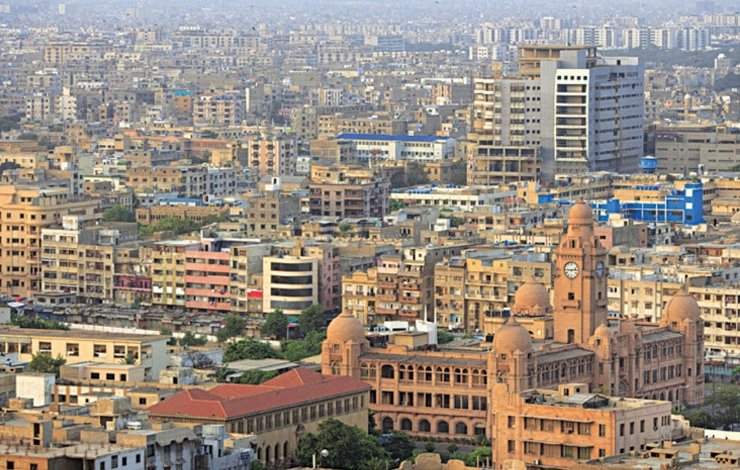
Mohammad Younus Dagha, the chairman of the Policy Advisory Board of the Federation of Pakistan Chamber of Commerce and Industry (FPCCI), has revealed that the share of the port city, Karachi, was reduced from 20 per cent to 3 per cent in Sindh budget.
The former federal finance secretary, Mohammad Younus Dagha, revealed how provinces became mega-rich after 2009 National Finance Commission (NFC) award and the financial share of Karachi in the provincial budget was shrunk by the Sindh government.
In his article published in the English daily Express Tribune on January 18, Dagha said that the NFC award has made provinces mega-rich as the revenues of Sindh province were increased by Rs1,278 billion up to 815 per cent (Rs178 billion in 2008 and Rs1,452 billion in 2021).
He wrote that Karachi’s share in the Sindh budget went down from 20 per cent (Rs37 billion in 2009 to 3 per cent (Rs38 billion in 2021) as the port city has overall lost 87 per cent of its share since 2009 up to Rs663 billion.
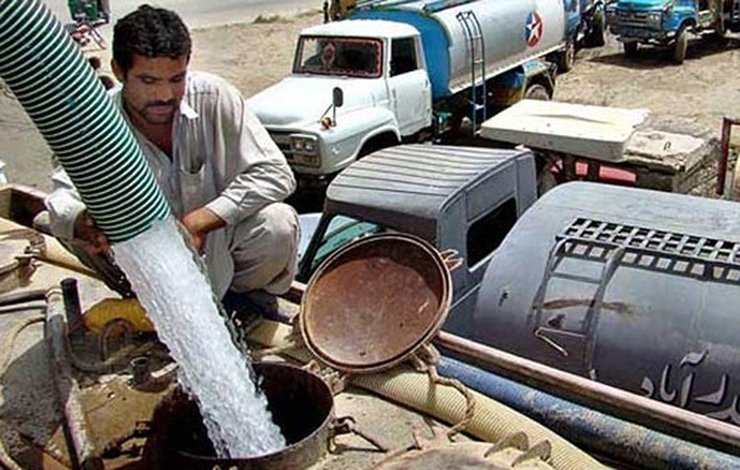
Initiating his article, the financial expert said, “Pakistan has eight cities with populations of more than a million souls, as per the last census. Punjab has five of these cities, Sindh two and Khyber-Pakhtunkhwa one. The way we prepare and maintain these engines of growth to compete in the global economy will determine the future of our economy.”
“Karachi, with roughly 10% of country’s population, contributes to more than 50% of its export earnings, around 56% to the Federal revenues and 96% of Sindh’s revenues. Karachi pays in Sales Tax on Services almost equal to the Sales Tax on Services paid by the entire province of Punjab.”
Provinces became mega-rich after 2009 NFC award, Sindh’s revenues grew by 1278bn-815% (178b in 2008, 1452b in 21), but #Karachi share in Sindh Budget went down from 20% (37bn in 2009) to 3% (38bn in 2021). #KHI lost 87% of its share since 2009:Rs 663bnhttps://t.co/wl0TIl6PvL
— Younus Dagha (@DaghaYounus) January 18, 2022
Federal and provincial governments heeded the report only after heavy rains in 2020 inundated Karachi when both the governments fiercely contended that they would contribute more in the joint package of Rs1100 billion for the Karachi Transformation Plan which was to be implemented in three years.
Dagha was of the view that the progress is far behind the promised schedule after eighteen months.
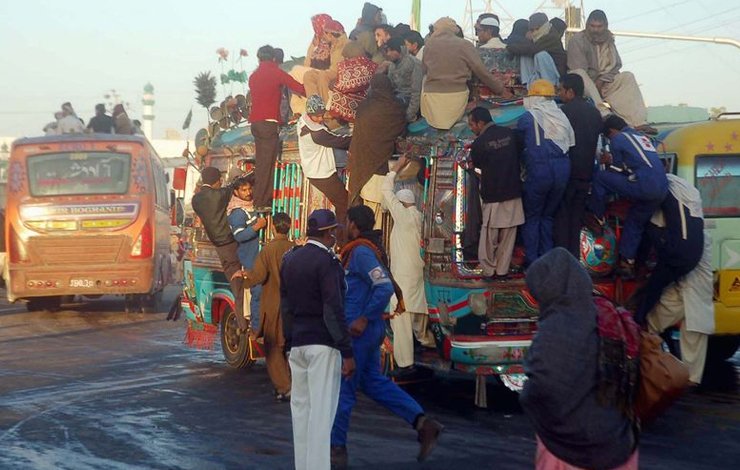
He raised the question of why should the federal and provincial governments make special provisions for Karachi’s developmental gaps.
“Provinces became mega-rich after the 2009 NFC award, which devolved fiscal authority of collection of Sales Tax on Services and unprecedentedly higher distribution of funds from federal divisible pool in their favour. Sindh’s revenues grew 815% in past 15 years from Rs178 billion in 2007-08 to Rs1,452 billion in the Budget 2021-22. This prosperity should have turned its capital city into a resourceful metropolis rather than becoming one of the least liveable cities of the world.”
“Karachi’s share in transfers from the provincial budget fell from 20% (Rs37 billion) in 2007-08 to a meagre 3% (Rs38 billion) in 2020-21. Had the transfer percentage of 2007-08 maintained, Karachi would have received around Rs244 billion in 2020-21. Around 85% of Karachi’s dues are being regularly withheld since 2009 when the Provincial Finance Commission was turned dysfunctional.”
“Similarly the share of 6.6% in Federal PSDP that Karachi had in 2007-08 dropped to just 2.1% in 2021-22. In very conservative estimates, these cuts by the provincial and federal governments deprived Karachi of Rs949 billion since 2009 (Rs663 billion by the provincial government and Rs286 billion by the federal government) almost equal to the cost of infrastructure gaps found in the World Bank report, rather more in net present value. The largesse of Karachi Transformation Plan is nothing but just a promise to return back part of the funds of the city withheld by both the governments.”
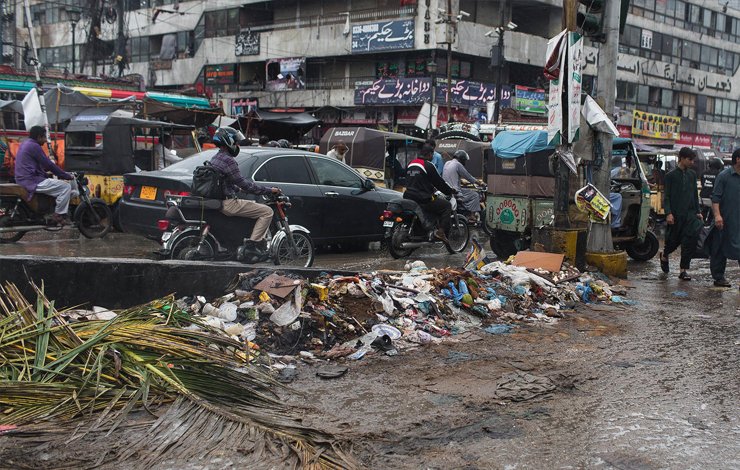
Mohammad Younus Dagha criticised that the “imprudent behaviour towards Karachi, our largest growth engine, is not in the interest of the country if we have any plans towards achieving economic growth and prosperity.”
He suggested, “The equitable distribution of the Provincial resources to the districts must be revived through a new Provincial Finance Commission Award, pending since 2009. Karachi should be getting Rs250-300 billion as direct transfers annually instead of Rs38 billion received last year, Badin Rs18 billion as against 1.6 billion and Umerkot Rs20 billion as against less than a billion.”
He added, “This over-centralisation is as unreasonable as the over-devolution by the Musharraf regime. Municipal functions must be performed by the City governments such as Water, Sanitation (Sewerage and Solid Waste Management), Municipal Taxation & Regulation, Master Plan and Building Control, City Development (KDA, LDA, etc), City Transport and Mass Transit. Property and Motor Vehicle Taxes also need to be devolved to the districts.”