Failure to revive IMF program, Pakistan close to default: Moody’s
A financing gap of $2 billion and exchange rate policy are biggest hurdles in reviving IMF program, Pakistan faces external debt repayments of $23 billion in new fiscal year starting in July, analyst Grace Lim

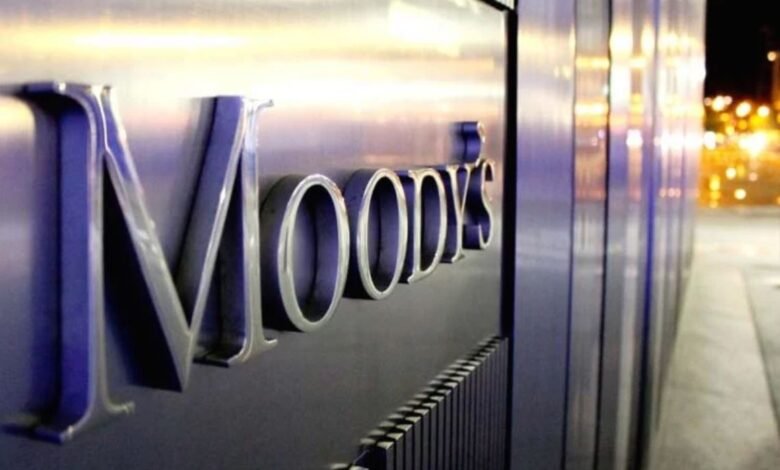
Global rating agency Moody’s has said that Pakistan is at risk of defaulting on its $6.7 billion bailout program with the IMF, putting the country close to default.
Grace Lim, an independent analyst at Moody’s in Singapore, said: “Risks are increasing that Pakistan may fail to complete the IMF program that expires at the end of June. may default in view”.
Bloomberg, citing a Moody’s report, said that Pakistan is making a last-ditch effort to revive its IMF program, with a $2 billion financing gap and exchange rate policy as the biggest hurdles.
He added that the government has pledged to meet billions of dollars in debt payments, but investors are skeptical about trading the troubled country’s dollar bonds.
Pakistan faces external debt repayments of around $23 billion for the fiscal year 2024, which begins in July. This amount is almost five times its reserves and most of it is drawn from concessional multilateral and bilateral sources.
On Monday, Pakistan’s central bank governor Jameel Ahmed denied that officials were open to debt restructuring talks as the country will repay $90 billion in sovereign debt in June and expect to clear $2.3 billion in liabilities. .
The country’s $1 billion bond, due in April next year, was little changed at about 55.6 cents on the dollar in Asian trading on Wednesday, after falling about 3 cents over the past two days.
The rupiah, which is trading near record lows against the dollar, could face further pressure, Lim said in an emailed response to a questionnaire. Grace Lim said in a report that the IMF’s comments on exchange rates likely refer to differences in the interbank and retail markets.
The rupee has fallen more than 20 percent since authorities devalued the currency in January this year, making it one of the worst-performing currencies globally.
Lim said Pakistan’s fiscal options after June are highly uncertain, even as its external payments will remain significant over the next few years. He added that continued dealings with the IMF would facilitate additional financing from other multilateral and bilateral partners, which could reduce the risk of default.
Also, Pakistan is looking to buy spot shipments of liquefied natural gas for the first time in almost a year, following a sharp fall in overseas prices.
This suggests that Pakistan may see itself on a better financial footing, as sellers were reluctant to sell fuel to Pakistan last year due to its failure to make regular payments.