


Circular debt is a bitter pill to swallow which has cascaded to mammoth Rs 4,200 billion and has rationally taken made Prime Minister Imran Khan sleepless.
Where did it start?
Nearly some 17 years ago in 2007, the oil prices in the international market started shooting up.
Pakistan, which heavily relied on oil for power production due to oil-fired power plants, suffered this fluctuation in prices and eventually, the price per unit of electricity also rose.
However, in 2013, the Pakistan Muslim League – Nawaz (PML-N) government brought the figure of circular debt to naught after expending some Rs 480 billion.
When it left in 2018, the ‘Godzilla’ of circular debt was once standing staring at Rs 380 billion.
Now, during the tenure of the Pakistan Tehreek-e-Insaf (PTI) government, it has swelled to Rs 1,580 billion.
Not only this, the interest on this amount is in billions of rupees as well which makes the figure of public debt to Rs 2,440 billion.
How circular debt is created?
The percentage of the power sector’s losses in Pakistan is unarguably the highest in the world.
For example, if the government spends Rs 100 for producing a unit of electricity, the return on the expense is only around Rs 79. This is equivalent to a loss of Rs 21.
The build-of circular debt is around Rs 40 billion every month. The government borrows loans from banks to pay it.
However, the problems only pile up as the government has to pay some Rs 50 billion to the lender due to interest on the loan.
Different power ministers including Naveed Qamar in 2008, Shaukat Tareen in 2009, and Current Finance Minister Hafeez Sheikh from 2010 to 2013 and others grappled with circular debt but failed to control it.
However, PML-N’s Finance Minister Ishaq Dar got rid of it in 2013 by clearing built-up debt of around Rs 480 billion.
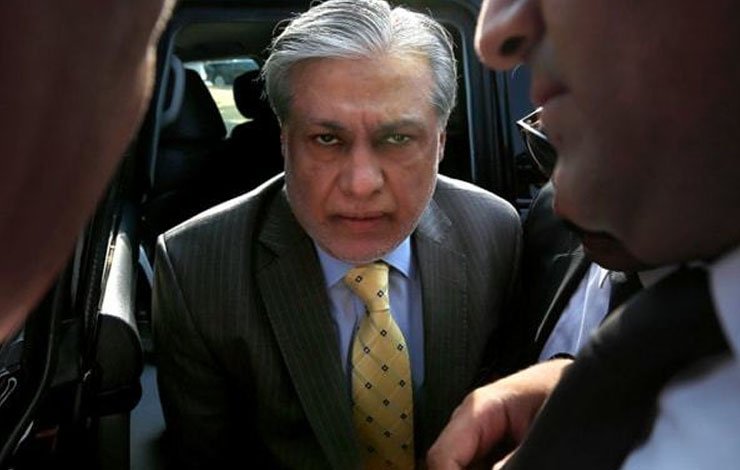
But, when PML-N completed its term in 2018, it had resurged again to 380 billion.
How can it be reduced?
As of now, a unit of power is generated in up to Rs 21 however per unit cost for a consumer is around Rs 13.
If it is hiked to Rs 17 per unit, it may heal the wounds a little bit but it would bring a tornado of inflation.
IMF’s hike push
International Monetary Fund (IMF) is pressurizing Pakistan’s government to bring the power sector’s losses to Rs 8 billion a month from Rs whopping Rs 40 billion.
For this, the already beleaguered government would at least has to increase per unit price by Rs 3.27 lest rising debt.
Oil-fired plants a ‘white elephant’
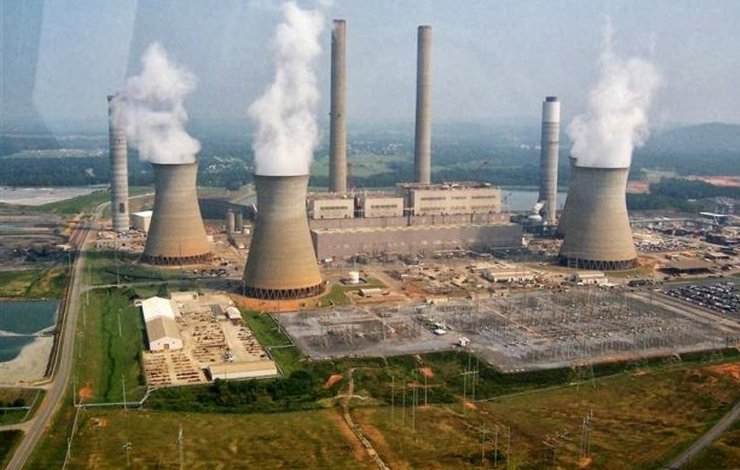
The oil-fired power plants in Pakistan generate a unit in Rs 54 but it is transmitted to industrial and domestic consumers in around Rs 8.
In 2013, PML-N’s energy Minister Awais Laghari had shut them down and culled the import of furnace oil in Pakistan.
Read Also
Win-Win: Pakistan, G-20 Agree on Loan Deferment
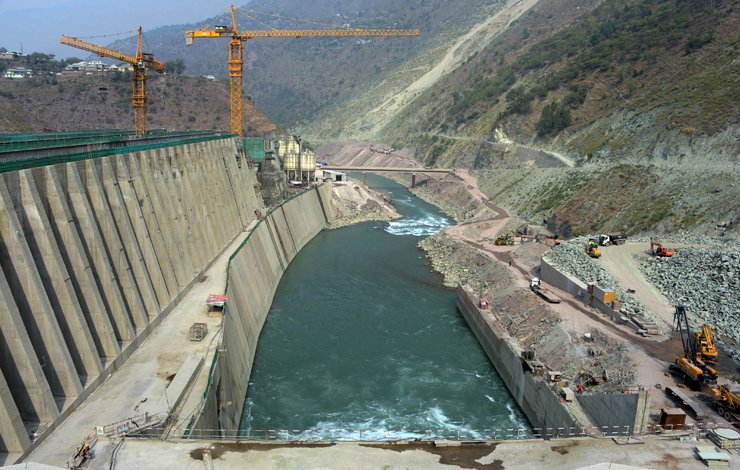
The government tried to become more dependent on coal and hydropower and many projects were kicked-off including Neelum Jhelum Hydroelectric Project (NJHEP)
Influence of mafia
It is a common word in the ministry of energy that whoever bureaucrat tried to tighten the noose against the mafia, he was replaced or transferred.
Several secretaries and additional secretaries were replaced or transferred only when they have deciphered the code behind causes of mounting circular debts despite they were cleared.
Why circular debt makes Imran Khan Sleepless?
Imran Khan had asserted to change the course of the economy in 100 days after he took over as the Prime Minister.
The Energy Minister Omar Ayub Khan had claimed that the end of 2020 would be the end of circular debt too.
PTI government hiked power tariffs five times during its tenure. But, the debt still skyrocketed.
Now, we have a complete canvas that why circular debt has made Prime Minister Imran Khan sleepless.
The oil prices in the international market are at the lowest price in two decades but gigantic circular debt has certainly put the government at wit’s end.